
Bike Plan 2026-2031
Project Update: October 2026
The City has prepared the Draft Bike Plan with the aim to make cycling safer, easier and more accessible for everyone, through a focus on infrastructure implementation, advocacy, promotions and partnership building over the next 5 years.
The Draft Bike Plan is now ready for public comment and feedback via the survey on this project page. Please make sure you have read all supporting materials in the Key Documents section including the Draft Bike Plan 2026-2031 before submitting your comments.
The public comment period on the Draft Bike Plan 2026-2031 closes at 5pm AWST on 23 November, 2026.
Project Update: August 2026
Drafting of the Bike Plan 2026-2031 is underway, informed by public feedback. More updates will be shared with the community as the project progresses.
Want to know what we heard from the community during Phase 1 consultation? Read the engagement report here.
The City's Bike Plan is being renewed. We need your input to update local cycling data, capture rider demographics and experience of cycling infrastructure to guide improvements and develop a plan that reflects Fremantle's changing and growing community.
The City of Fremantle is updating its Bike Plan to make cycling safer, easier and more accessible for everyone. This local Bike Plan has been jointly funded by the City of Fremantle and the State Government as part of the WA Bicycle Network Grants Program. The Bike Plan 2026–2031 project directly supports the City's Strategic Community Plan 2023-2034 and will guide structural improvements to Fremantle’s Long Term Cycle Network (LTCN) - including where new bike routes are needed, how existing routes can be improved, and what supporting initiatives will help more people choose to ride. The new plan aims to update our understanding of how people currently cycle (or would like to cycle) in Fremantle, including capturing how bike rider needs and experiences differ across Freo's suburbs, local conditions and community make-up.
Do you ride around Fremantle? Would you like to? Let us know what would make it easier and more enjoyable!
Community feedback gathered through this engagement will play a critical role in shaping the updated Bike Plan, supporting the City to increase cycling mode share, reduce transport-related carbon emissions, and deliver broader benefits for community connection, health and wellbeing. This information will help establish a prioritised pipeline of cycling infrastructure projects and identify initiatives to encourage greater cycling participation in Fremantle. As part of the project, we're asking the community to share their thoughts on how bike riding currently works (and doesn't work) in different parts of Fremantle. Your feedback will help shape future cycling infrastructure across Fremantle and support:
- Safer streets and better connections
- Healthier, more active neighbourhoods and suburbs
- Reduced carbon emissions
- A city that’s easier to move around without a car
How can the community influence the project?
We are asking the public to:
- Provide comment on the previous Bike Plan, as well as share local knowledge on current bike rider behaviour and experience via the Bike Plan Survey on this project page.
- Help us identify and better understand the needs of different riders, including children and young people, parents and carers, women and visitors to Fremantle.
- Identify key cyclist routes, pinch points and safety issues as well as opportunities via our Interactive Map on this project.
- Review the Key Documents and Frequently Asked Questions about this engagement program.
How can you meet with City Officers to discuss the Bike Plan 2026-2031 and share your feedback?
You can request to meet with city staff to discuss your thoughts on cycling in Fremantle via a 1:1 meeting, group meeting or attend a community precinct meeting.
Note: Please refer to the Key Dates section of this MySay page for details on community precinct meetings or drop-in sessions with City staff.
- Book a 1:1 or group meeting with City officers by emailing communityengagement@fremantle.wa.gov.au (subject to staff availability).
- Attend a precinct meeting: The City's volunteer run community precinct groups will be hosting meetings for residents to share their feedback and experiences with City staff. The key dates section of this MySay page includes details of date, location, and times for active precinct group meetings.
- Attend a drop-in session: Drop-in sessions allow the public to meet with City staff to ask questions about the project, seek clarification and guidance on how to best submit feedback. These are informal sessions that allow the public to come and go during the time period provided. To learn more, visit our How We Engage page here. The key dates section of this MySay page includes details of date, location, and times for City drop-in sessions.
City Officers aim to:
- Collect feedback on cyclist demographics, key routes, safety issues and activity times and note where future improvements to the LTCN are most requested.
- Provide ongoing, clear information to the community regarding the project scope, timeline, milestones, partnerships, funding and any updates on scheduled works.
- Keep you informed, listen to and acknowledge concerns and provide feedback on how public input influenced the project.
- Inform the public on how to make future cycling infrastructure requests and work with the City of Fremantle to increase road safety.
How can you make your submission?
Submissions can be submitted online via the submission form below, or:
- By Mail
PO Box 807
Fremantle WA 6959 - In Person
Walyalup Civic Centre
151 High Street
Fremantle WA 6160 - By email - communityengagement@fremantle.wa.gov.au
A hard copy of the survey can be sent or picked up upon request by emailing the Community Engagement team here: communityengagement@fremantle.wa.gov.au.
Phase 1 & 2 engagement has concluded. The public comment period on the Draft Bike Plan 2026-2031 closes at 5pm AWST on 23 November, 2026.
-
Frequently Asked Questions
Share Frequently Asked Questions on Facebook Share Frequently Asked Questions on X (formerly Twitter) Share Frequently Asked Questions on Linkedin Email Frequently Asked Questions link
Why is the City embarking on this project? Who is funding the Bike Plan 2026-2031? What is the Long Term Cycle Network? Check out our Frequently Asked Questions (FAQ) for more information.
-
Draft Bike Plan 2026-2031
Share Draft Bike Plan 2026-2031 on Facebook Share Draft Bike Plan 2026-2031 on X (formerly Twitter) Share Draft Bike Plan 2026-2031 on Linkedin Email Draft Bike Plan 2026-2031 link
The Draft Bike Plan 2026-2031 is now ready for public comment. Once you have reviewed, we encourage you to submit feedback via the survey on this MySay project page.
-
Explainer: Long Term Cycle Network (LTCN)
Share Explainer: Long Term Cycle Network (LTCN) on Facebook Share Explainer: Long Term Cycle Network (LTCN) on X (formerly Twitter) Share Explainer: Long Term Cycle Network (LTCN) on Linkedin Email Explainer: Long Term Cycle Network (LTCN) link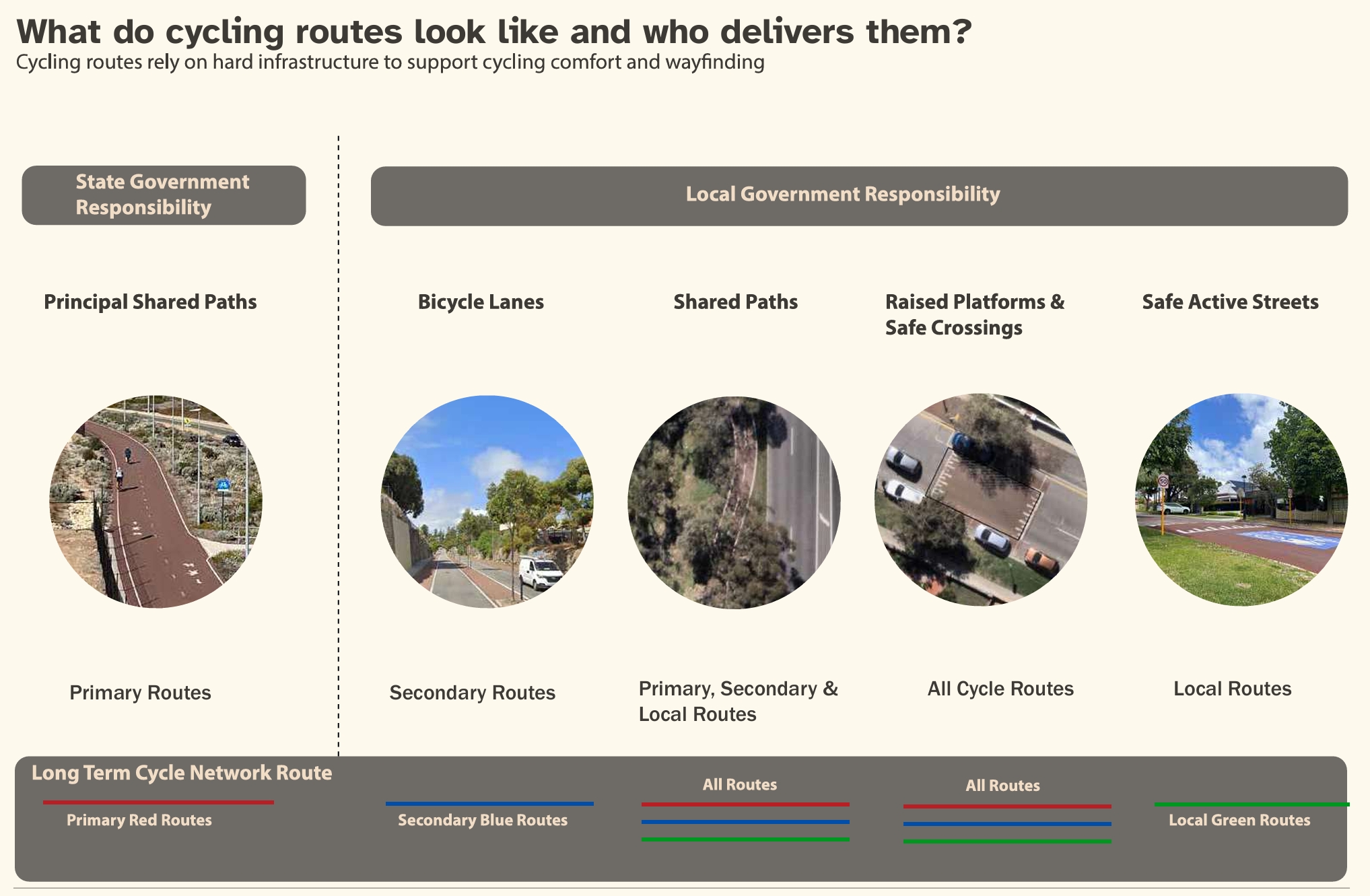
The long-term cycle network (LTCN) identifies an aspirational blueprint for cycling infrastructure suiting all ages and abilities and presents a heirachy of cycling routes. What do these cycling routes look like and who delivers them?
-
Key Document: City of Fremantle Bike Plan 2019 - 2024
Share Key Document: City of Fremantle Bike Plan 2019 - 2024 on Facebook Share Key Document: City of Fremantle Bike Plan 2019 - 2024 on X (formerly Twitter) Share Key Document: City of Fremantle Bike Plan 2019 - 2024 on Linkedin Email Key Document: City of Fremantle Bike Plan 2019 - 2024 link
The Bike Plan 2026-2031 project aims to refresh and build upon Fremantle's 2019-2024 Bike Plan document by collecting updated data on cyclist patterns, behaviours, key routes and experiences to improve the Long Term Cycle Network (LTCN) and design options for delivery. As part of this project, we are looking to collect feedback on the 2019-2024 plan to help improve and understand the new document.
The purpose of the Fremantle 2019-2024 Bike Plan was to establish the long-term bike network and set priorities for bike infrastructure projects, programs and promotional activities for a 5-year period. The Bike plan also aimed to formalise the methods to be used to measure changes in rider volume over time. The Bike Plan 2019-2024 also identified two primary approaches to increasing cycling rates: Hard Infrastructure (such as bicycle racks) & Soft Infrastructure.
-
Related: Our Strategic Community Plan
Share Related: Our Strategic Community Plan on Facebook Share Related: Our Strategic Community Plan on X (formerly Twitter) Share Related: Our Strategic Community Plan on Linkedin Email Related: Our Strategic Community Plan link
-
Bicycle Network Super Counts: Fremantle
Share Bicycle Network Super Counts: Fremantle on Facebook Share Bicycle Network Super Counts: Fremantle on X (formerly Twitter) Share Bicycle Network Super Counts: Fremantle on Linkedin Email Bicycle Network Super Counts: Fremantle link
Bicycle Network is Australia’s biggest bike riding organisation, supported by nearly 50,000 members nationwide.
Super Tuesday and Super Sunday counts collect active travel data at intersections for local councils, including mode, gender, time and directional flow. The rich longitudinal data helps track progress and identify areas of improvement to inform active transport policy, with the goal of making it easier for more people to choose active modes every day.
Intersection data collected:
- User type (walker, runner, cyclist, scooter or other)
- Gender
- Volume in 15 minute or 1 hour time intervals
- Directional traffic flow of all user movements
In the past year, more than sixty local council areas across Australia, including the City of Fremantle, have participated in Super Sunday and Super Tuesday counts to help track active transport performance and inform infrastructure delivery.
Click here to view the City's Super Tuesday Count Report for 2013
Click here to view the City's Super Tuesday Count Report for 2018
Click here to view the City's Super Sunday Count Report for 2013
Click here to view the City's Super Sunday Count Report for 2018
Click here to view the City's Super Sunday Count Report for 2024
-
Related: City of Fremantle Integrated Transport Strategy (2015)
Share Related: City of Fremantle Integrated Transport Strategy (2015) on Facebook Share Related: City of Fremantle Integrated Transport Strategy (2015) on X (formerly Twitter) Share Related: City of Fremantle Integrated Transport Strategy (2015) on Linkedin Email Related: City of Fremantle Integrated Transport Strategy (2015) link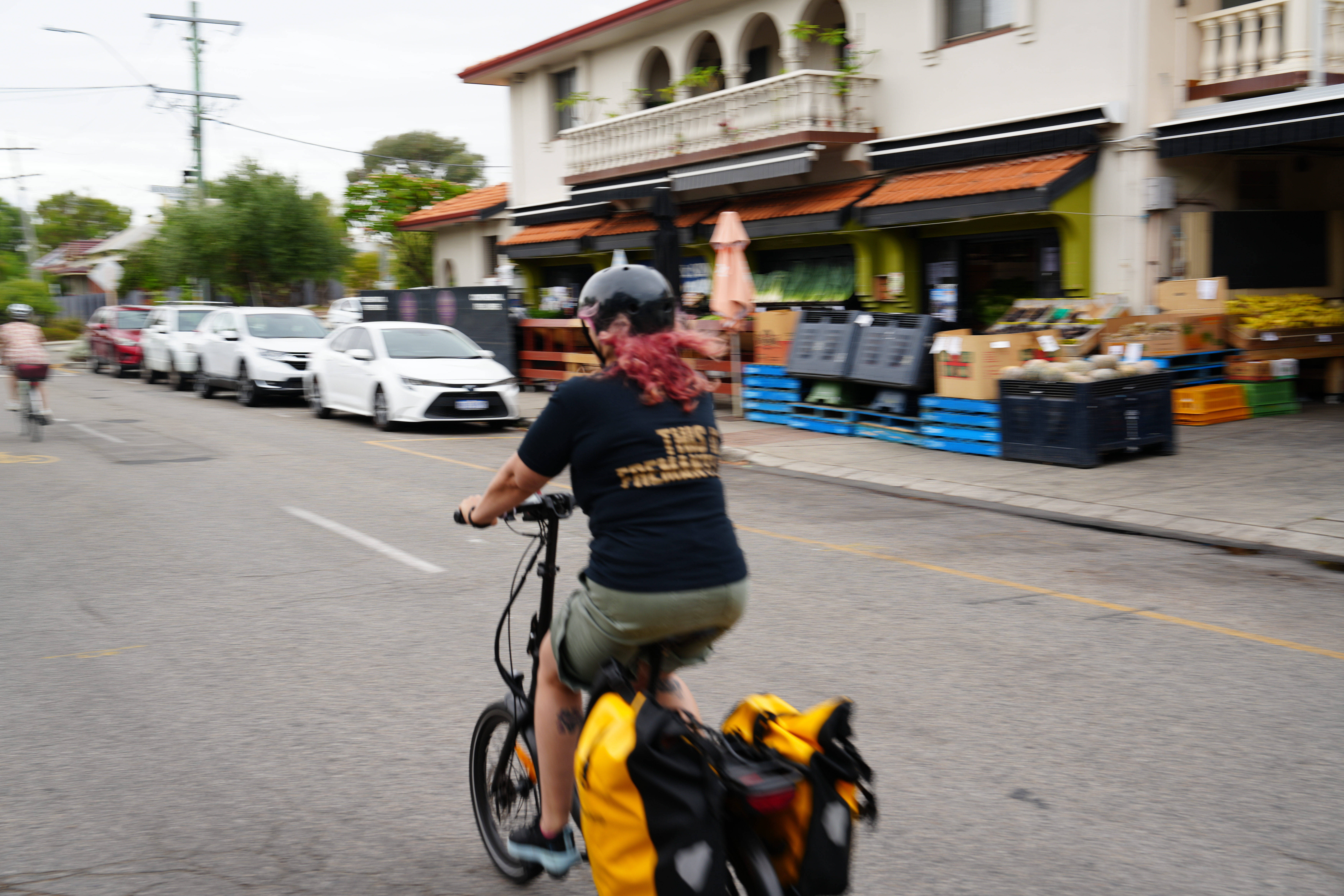
The Bike Plan 2026-2031 project takes into consideration the aims and directions laid out in the City's Integrated Strategy, published in 2015.
The City of Fremantle’s Integrated Transport Strategy takes into consideration the draft Public Transport Plan for Perth in 2031, State Planning Policy 4.2 - Activity Centres for Perth and Peel, the Department of Transport’s TransPriority initiative and the Perth Freight Network Plan.
-
Related Project: Safe and Functional Streets
Share Related Project: Safe and Functional Streets on Facebook Share Related Project: Safe and Functional Streets on X (formerly Twitter) Share Related Project: Safe and Functional Streets on Linkedin Email Related Project: Safe and Functional Streets link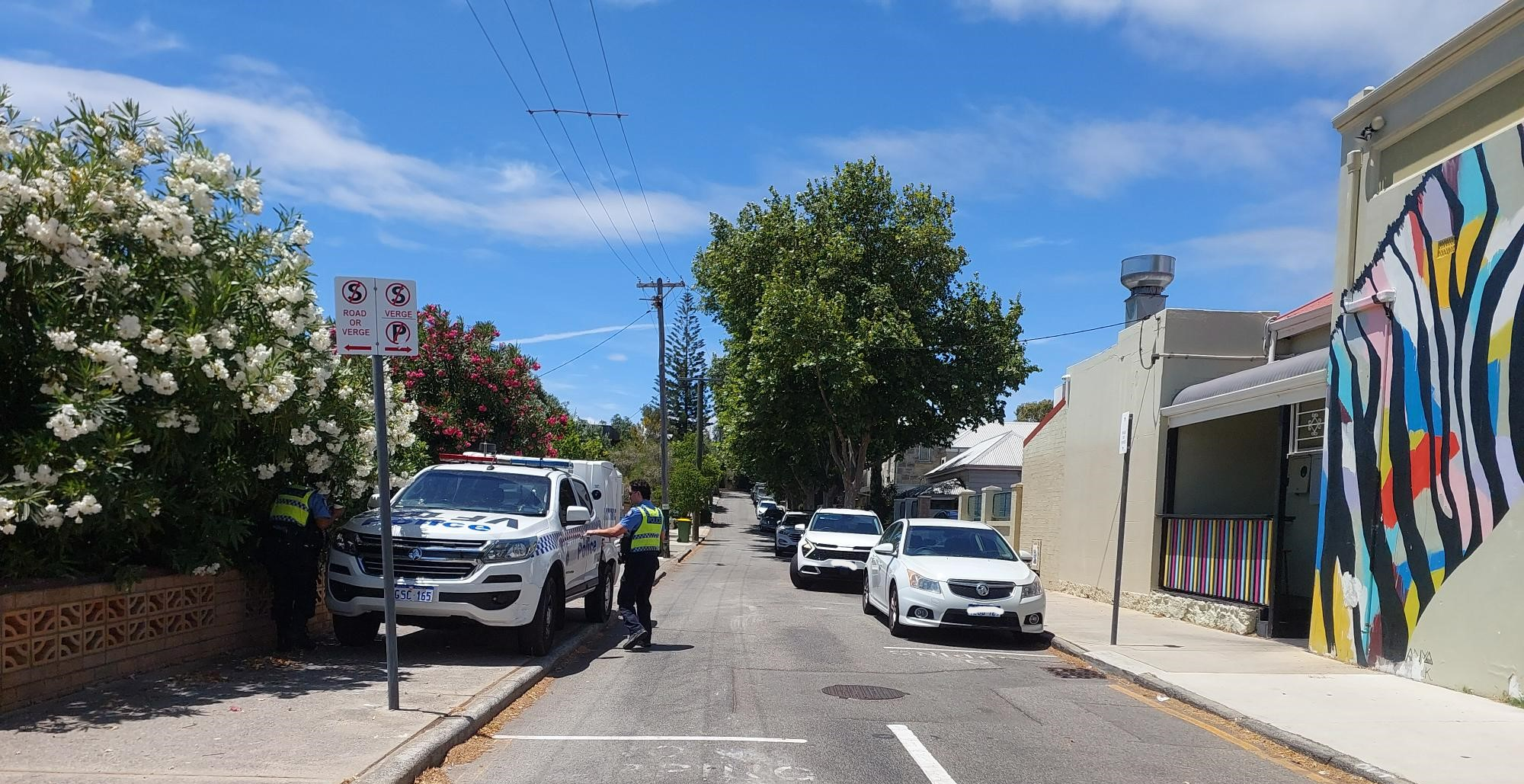
Between November 2023 to February 2024 the City of Fremantle conducted a community engagement initiative for two key infrastructure policies - road safety and traffic calming - united under the campaign theme "Safe & Functional Streets". The Safe and Functional Streets Engagement Report, a culmination of vital contributions from community discussions and feedback, was unanimously approved at the Ordinary Council Meeting on July 24, 2024.
The Bike Plan 2026-2031 project builds on the focus and direction of the City’s "Safe & Functional Streets” initiative, aiming to:
- Enhance road safety for all road users, including pedestrians and cyclists.
- Reduce vehicle speeds to make streets safer and more attractive.
- Improve the functionality of streets, which can include elements like efficient traffic flow and better accessibility for residents and businesses.
Click here to visit the Safe and Functional Streets Project Page
-
Related: Your Move Program (DOT)
Share Related: Your Move Program (DOT) on Facebook Share Related: Your Move Program (DOT) on X (formerly Twitter) Share Related: Your Move Program (DOT) on Linkedin Email Related: Your Move Program (DOT) link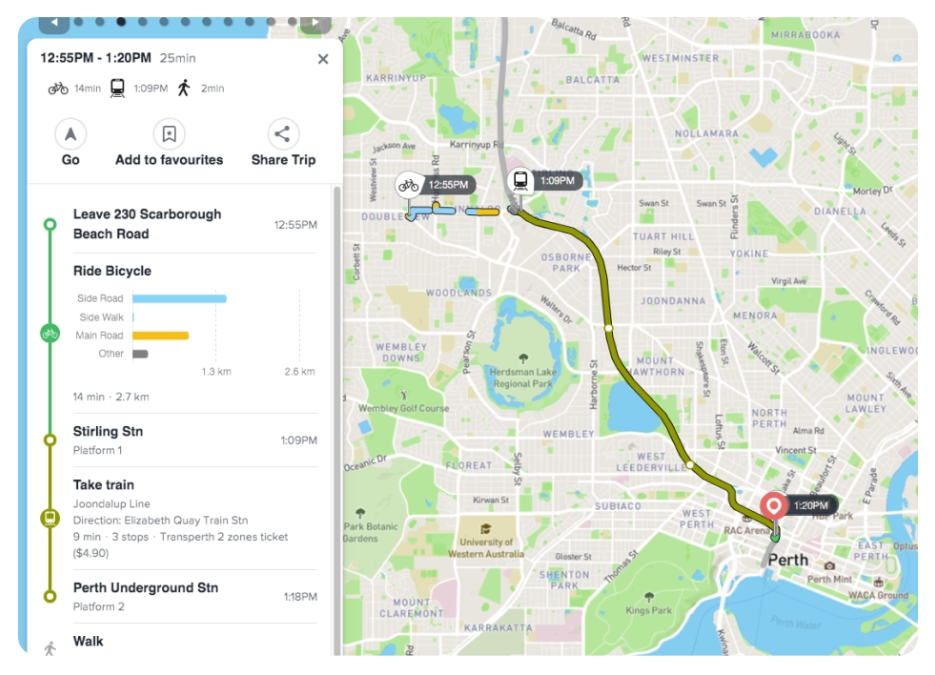
Your Move is a free program that provides information and support to help you find healthier, more active ways to get around. We work with schools, organisations and individuals to help them spend less time in the car and more time enjoying their community and environment. Whether it's finding nearby places to walk, wheel or ride to, or walking with your kids to school, we're here to help you make small, sustainable changes to how you get around.
Learn more and sign up your organisation today via the link below.
Your Move | Your Move: More Ways to Get There - Department of Transport
-
Phone 1300 MY FREO (1300 69 3736) Email communityengagement@fremantle.wa.gov.au -

Phone 1300 MY FREO (1300 69 3736) Email communityengagement@fremantle.wa.gov.au -

Phone 1300 MY FREO (1300 69 3736) Email communityengagement@fremantle.wa.gov.au -
Phone 1300 MY FREO (1300 69 3736) Email communityengagement@fremantle.wa.gov.au